A lasting ecommerce brand is more than a line of products or a catchy name — it’s a tone, a feeling, a community. Customers often don’t buy products for their features or price tags alone. They buy into values and excitement. They buy into a personality-affirming culture. They buy into a brand.
Creating a lasting ecommerce brand requires a true understanding of your audience — who they are, what they care about, and how only you can meet their needs — both objectively and emotionally.
So exactly what is branding and how do you create one you’re proud of? Let’s get to work.
Branding is the process of crafting a distinct identity for your company. It shapes how people perceive your business and helps you come to mind first when customers need your products or services.

When you think of your favorite products, what comes to mind?
- When you hear the name Wendy’s, you might recall one of their sarcastic and playful comments on social media.
- When you see a picture of an apple with a bite out of it, you may immediately think of Apple computers.
- When someone’s wearing a pair of tennis shoes with a swoosh, you know that they shop with Nike.
Design encompasses the full customer experience, including everything from colors and logos to voice, tone, and sense of humor.
Your unique brand voice and identity will guide the language, tone, and style used for ads, emails, and articles. It shapes the emotions your content evokes, helping you build loyal customers and passionate fans.
The more you embrace messaging that reflects your unique qualities, personality, and voice, the stronger your brand identity becomes. When it’s an authentic expression of who you and your business are, connecting with your target audience and making your brand memorable becomes simpler. We’ve now answered, “What is branding?,” so let’s move on to a few benefits of a clear brand identity:
1. Enhanced credibility
Your customers want consistency, and your brand sets clear expectations for what they’ll receive, when, and how. This builds trust and, when expectations are met, fosters loyalty.
In 1982, one small gas station in Texas had a vision to provide cheap ice and clean restrooms. It was a simple idea that led to the iconic franchise of Buc-ee’s. Fans plan their trips around the Buc-ee’s experience because every location keeps that original brand promise (and provides so much more).
You can create a similar experience by crafting your ecommerce brand around a vision, then delivering a consistent, quality experience time and time again.
2. More customer loyalty
When you foster a sense of connection and belonging with your customers, you turn them into dedicated brand advocates. They’ll not only continue to buy from you, but also share their enthusiasm with others.
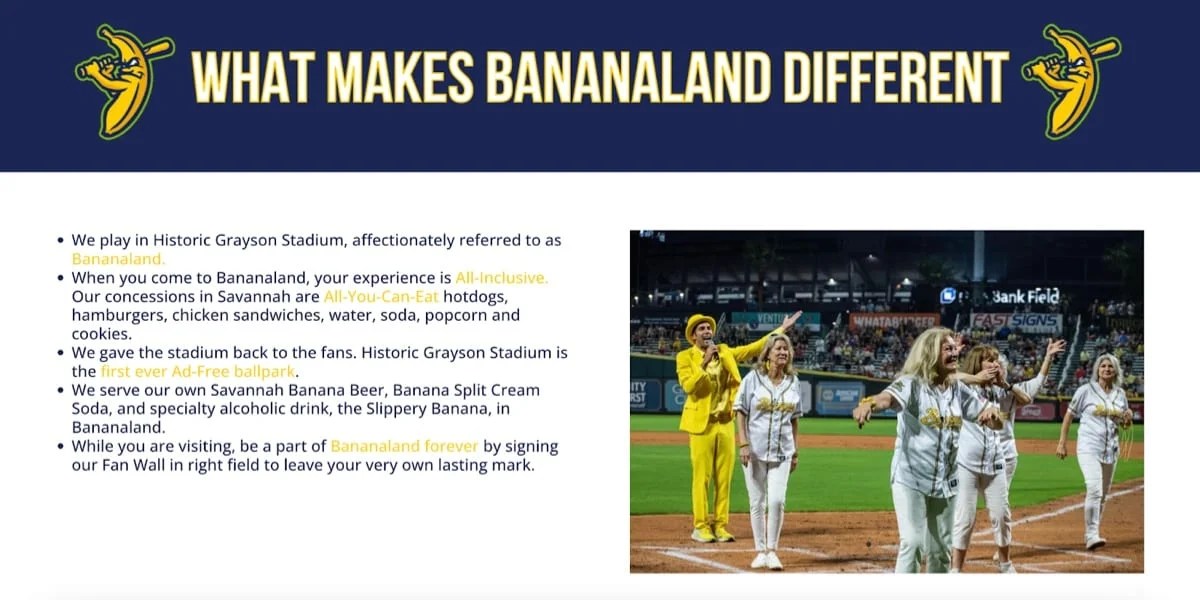
Sports fans have shown us that loyalty matters. The Savannah Bananas, for example, are a minor league baseball team from Savannah, Georgia that plays the game completely differently. Instead of just playing baseball, they create a fun, innovative experience that breaks all the rules. Their unique approach has led them to sell out every single one of their games.
A lasting ecommerce brand creates loyalty that makes selling out a reality for your company, too.
3. Better recognition
Standing out in a crowded market filled with constant noise requires a compelling hook — and that hook is your brand’s unique qualities and characteristics. This is known as brand recognition. When your brand is seen as a credible choice that inspires loyal fans, it captures attention and sets you apart from the competition.
4. A larger talent pool
When you stand out for all the right reasons, then all the right people will be excited about joining your team. In fact, businesses with strong employer branding receive 1.5 times more applicants than those without.
Talented people want to find a job that’s more than just work. They want to be a part of the experience and help build something great.
Ready to start building an effective brand? We’ll break it down, step by step.
1. Define your target audience
A successful brand isn’t just about building something and hoping customers will come — it’s about knowing exactly who you’re building it for. The more clearly you define your audience, the stronger and more impactful your message will be.
Key elements of a target audience include demographics, psychographics, behaviors, and economic factors. Ecommerce brands should also consider digital-specific aspects, like content consumption habits and online behavior.
If possible, take the time to speak to people within your target audience. This allows you to ask clarifying questions that you may not think of including in a survey. What problems do they want you to solve? What’s their sense of humor? What types of content do they enjoy consuming?
This is a topic that we could spend quite some time on. For a more in-depth look, read our post about choosing an audience.
2. Clarify your mission and values
Building a strong brand starts with a clear vision of where you want to go and how you plan to get there. A well-crafted mission statement, along with clearly-defined values, serves as a foundation for shaping your brand and creating a roadmap for success.
A mission statement briefly describes your brand’s purpose, values, culture, and goals.
A successful mission statement focuses on the future while addressing your target audience and their pain points. Here are some examples:
- Nike: “To bring inspiration and innovation to every athlete in the world.”
- Disney: “To entertain, inform and inspire people around the globe through the power of unparalleled storytelling, reflecting the iconic brands, creative minds and innovative technologies that make ours the world’s premier entertainment company.”
- Google: “To organize the world’s information and make it universally accessible and useful.”
Grab a few team members or friends who know your brand best and brainstorm words and phrases that describe the unique qualities of your company. If possible, share your final contenders with members of your target audience and gauge their responses.
Brand values are words or short phrases that determine your choices and decisions.
Brand values are your foundational, core beliefs that impact everything about your brand. They include things like sustainability, innovation, collaboration, and adventure.
A brand that prioritizes sustainability, for example, might only use eco-friendly shipping materials or donate a portion of sales to climate control nonprofits. A company that focuses on adventure might use bright colors throughout their marketing materials and partner with outdoorsy influencers on social media.
You should review your brand’s core values and mission periodically and update them as you grow and expand your focus.
3. Research your competitors
It’s important to understand who your competitors are. Competitor research helps you identify what sets your brand apart while also informing your own brand strategy to resonate with your target audience — along with some things you should probably avoid.
While learning from others is valuable, it’s essential to apply insights in a way that aligns with your brand’s own mission, values, and voice. Make it uniquely yours.
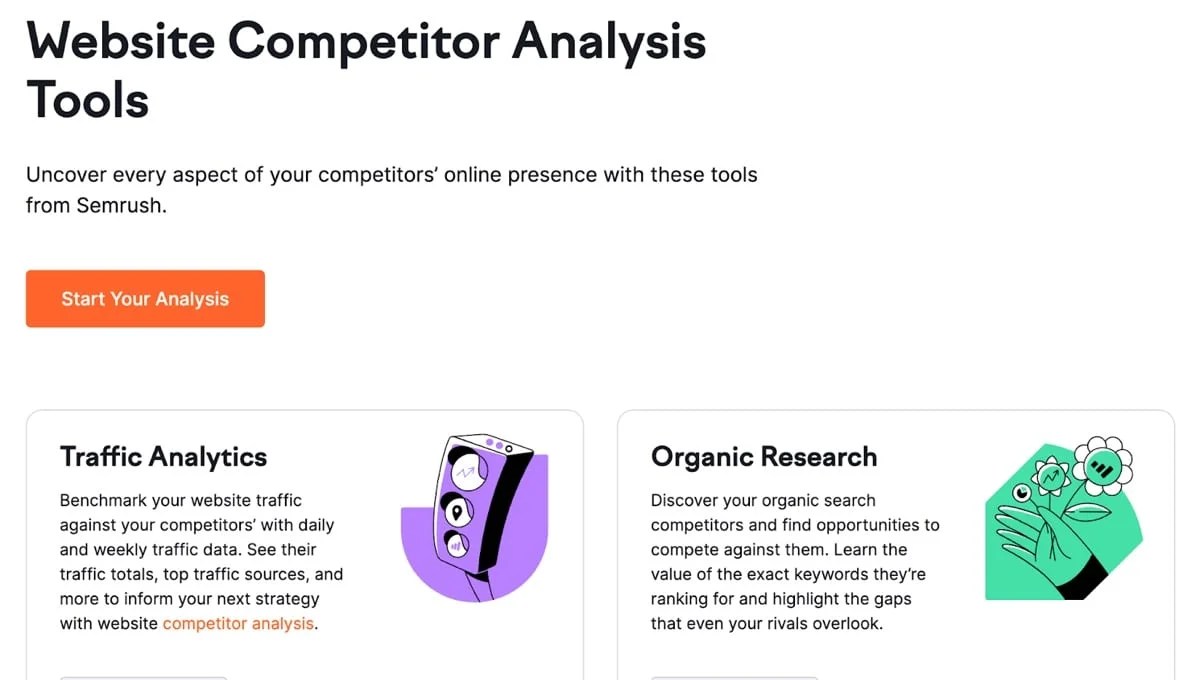
Here are some ways you can learn about your competitors:
- Visit the websites of your top competitors to see how they’re addressing your target market. What language do they use? What sort of information do they include on product pages? What content are they publishing on their blog?
- Use tools like Google Alerts to monitor articles and publications about your competitors.
- Follow competitors on social media. Learn from the content they post and how followers respond to them.
- Use tools like Semrush to gain insights into competitors’ search traffic, social media, and advertising efforts.
4. Craft your brand story
You have a unique story to tell — one that sets your brand apart. Sharing your story gives you the opportunity to showcase what makes your brand special, while connecting with your audience in an authentic way. Here are some tips for crafting a story as part of your brand strategy:
- Be authentic. The key to a strong brand story is to create an emotional connection. Make your audience laugh, tug on their heartstrings — but do so in a way that shares your passion.
- Keep things concise. Be concise and clear when telling your story. Share specific examples and avoid using jargon or language that your audience won’t understand.
- Focus on your “why.” Why did you create your business? What’s the purpose of your company? Share this in your brand story to separate yourself from your competitors.
- Share real stories from your team and loyal customers. Sharing genuine human stories fosters a sense of community and shows that your company values people over profits.
Invest your time into a strong and engaging brand story that shows your audience how you’re the best company to solve their problems.
Want to learn more? Dive into all the details in our article about writing a powerful brand story.
5. Choose a brand name
The right name can propel a business to the next level, so it’s essential that it reflects your unique brand elements. Your company name should capture your research, design, mission, and values while being adaptable for future growth and marketing communications.
Here are five tips for choosing a name and creating a successful brand:
- Make sure it’s easy to spell without any explanation. People should be able to quickly and correctly type it into a browser or search bar.
- Avoid limiting labels. Choose a name that’s flexible as your business grows. For example, you may not want to include specific product types in your name if you might expand down the road.
- Do your research. Make sure that competitors aren’t using the same name or names that are so similar that there would be confusion.
- Check the domain. Make sure that the matching domain name for your brand is available, preferably in the .com format.
- Talk to people in your target market. Get their thoughts on your name. Does it make sense to them? Do they have any concerns? Can they say it and write it?
Once you’ve decided on a brand name, go ahead and purchase the associated URL and any variations you might want to use.
6. Create design and language elements
Design may actually be the first thing you think of when you hear the word branding. You want the visual identity of your company to match all the other aspects of your brand that you’ve established so far.
When you’re building the design elements — or working with a professional — consider your target audience, once again. What design feel will best resonate with them? Professional and buttoned up? Fun and quirky? Adventurous and bold?
If your audience is distributed around the world, there are cultural considerations as well. Make sure that you understand what different colors and imagery mean in the countries you want to reach. Otherwise, you may accidentally communicate something different than you intend.
Here are some of the brand image and language elements you should put together:
- A logo. A strong logo helps potential and existing customers instantly recognize your brand. For many, it’s the first thing that comes to mind when they consider the branding process. Your logo should be simple enough to work across a variety of materials and reflect your brand image. Check out our guide to designing an ecommerce logo for more information.
- Colors. Research the psychological impact of different colors and use that information to guide your decisions. After all, people are 81% more likely to remember a company’s brand colors than its name. Do you want your brand colors to say that you’re trustworthy, make customers hungry, or show people that you’re a lot of fun? Canva has some great information on choosing brand colors.
- Fonts. When choosing fonts to represent your brand, consider how they’ll look in both small and large applications. They should be readable, even for those with vision impairments. Learn more about choosing the right fonts.
- Imagery. Brand imagery is the type of graphics and pictures that you use across materials like your website and social media. It includes everything from iconography and textures to photos and videos.
- Language/tone. Defining the language and tone for your brand provides guidance when writing website content, blog posts, ad copy, and more. Are there certain words or phrases you don’t want to use? Do you adhere to a certain set of style guidelines? Is your writing casual or ultra-professional? Do you make jokes and use slang or do you incorporate industrial terminology? All of this will help shape your ecommerce content marketing efforts in the years to come.
- Templates. You may want to put together design templates for common use cases, such as social media posts, blog featured images, etc.
It’s also a good idea to put together a brand guideline document. This compiles all of this information, along with other standards, so that everyone working with your company can be consistent.
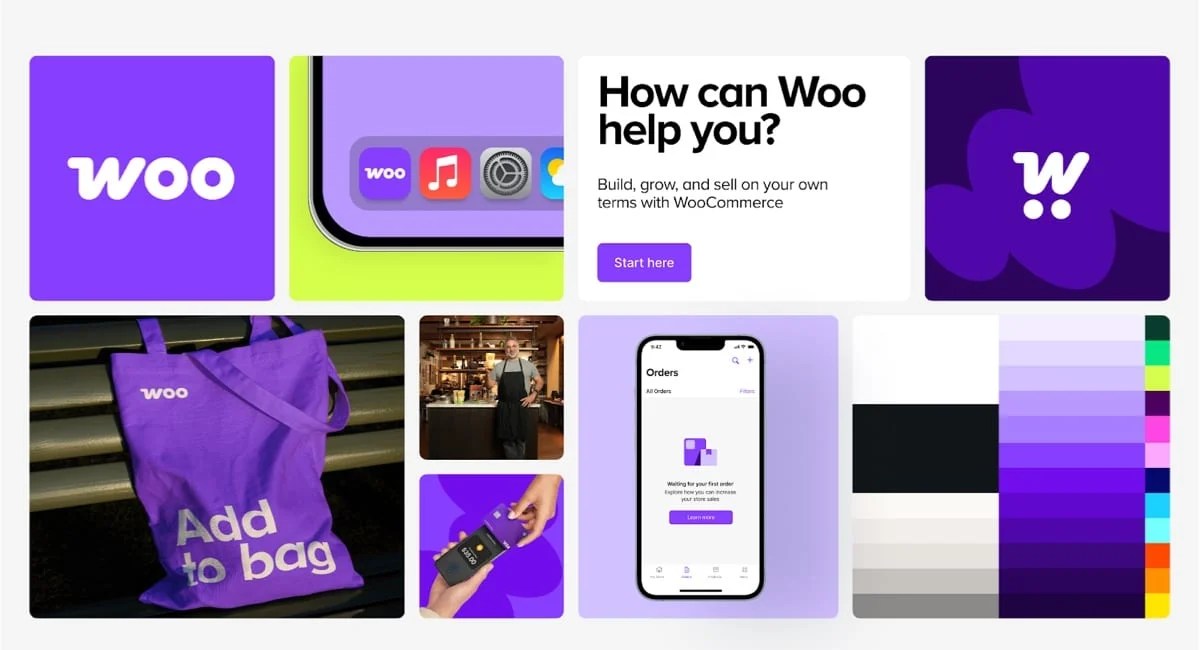
Want a little inspiration? Get an in-depth look at the process of creating the new WooCommerce brand.
Once you establish your brand identity, it’s time to bring it to life by intentionally infusing it into everything you create — from your website and product page to marketing campaigns and social media accounts.
Be consistent
Stick to your brand guidelines, mission, and story every time you create something. Use the same colors, fonts, imagery, and logo on your website, social media, and printed materials. Incorporate the same type of language and writing style in your blog posts, ad copy, and email campaigns. Deliver the same customer service whether it’s in person, on your ecommerce store, or on Facebook. Keep your brand promise in every single interaction.
Why is this important? Because this type of brand consistency will help you build a positive reputation, become recognizable to existing customers, and build loyalty over time.
To implement this successfully, create a customer journey map and outline every possible touchpoint from their first impression to lifetime loyalty. With this map, you can begin to make a list of touchpoints to which you can extend unique branding elements. Perhaps you can do something interesting during the return process or better incorporate branding elements into live chat processes.
Monitor customer response and engagement
Keep an eye on how people respond to your brand identity. Are there comments, feedback, or questions on social media? Do you find yourself attracting people who aren’t the right fit for your products? Do your analytics shift — in a good or bad way — after a rebrand? All of this can provide helpful information for better brand management.
Adapt as needed
While you don’t want to completely rebrand all the time, don’t be afraid to adapt as your customer and business needs shift. You may want to make changes to keep up with popular styles as well, especially if the look and feel of your site and brand are more trendy than classic.
Speak directly to your target audience
Keep your target audience in mind with every single thing you do. They should be at the center of each and every brand decision, social media post, and new product. Consider their needs and speak directly to them for a more effective brand positioned for growth.
Some say that brand value and brand recognition is intangible or hard to measure. It’s true that, while an ad campaign might generate an immediate return on investment, branding’s impact takes a bit more time. But its impact is measurable and you can determine a brand valuation.
For example, consider using a net promoter score metric to see how your audience views you over time. You might also review your customer lifetime value to see if it’s growing or shrinking.
Other metrics like repeat visitor rates and social media engagement can help you determine if your work is paying off.
In general, for a successful business, leadership should use data to help inform decisions. Learn more about ecommerce analytics.
Now that we’ve answered the question of “What is branding?,” let’s explore some companies with WooCommerce sites that have creative, successful brands.

Dan-O’s Seasoning
Home cooks use Dan-O’s famous seasoning blends to spice up everything from pizza and gumbo to roasted vegetables and pasta. The brand started with Dan Oliver, who traveled to events around the United States to sell his products in person. Now, he has a team of 50 and sells products on a variety of channels around the country.
But Dan is still at the heart of the brand and everything they do. Dan-O’s social media posts are often unscripted recipes, full of fun personality. It feels organic and truly connects with their viewers.
Their visual identity is colorful and bold, with fun textures, animations, and colors. The logo is a hand drawn mascot, Little Danny, that’s become a beloved part of the brand.
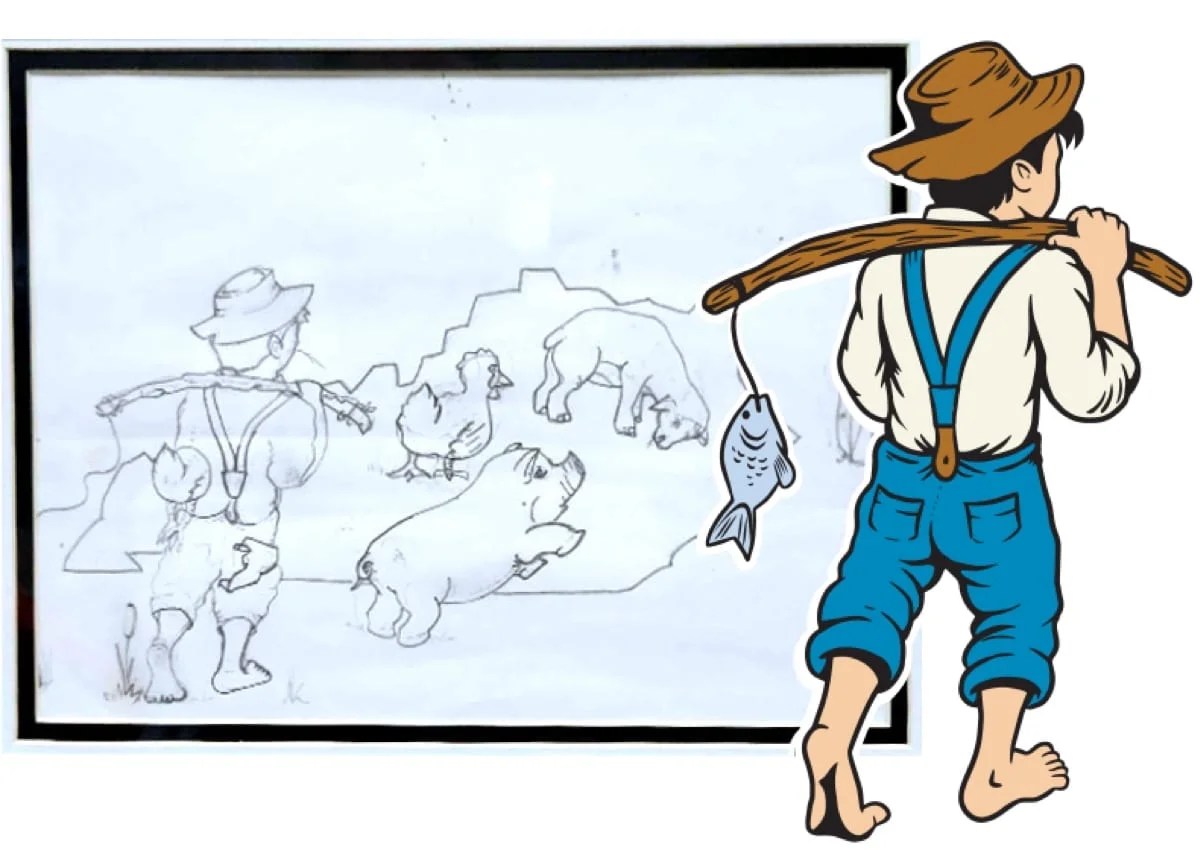
And they’ve built a passionate group of Dan-O Fan-O’s that they nurture through their online platforms. Learn more about Dan-O’s story.
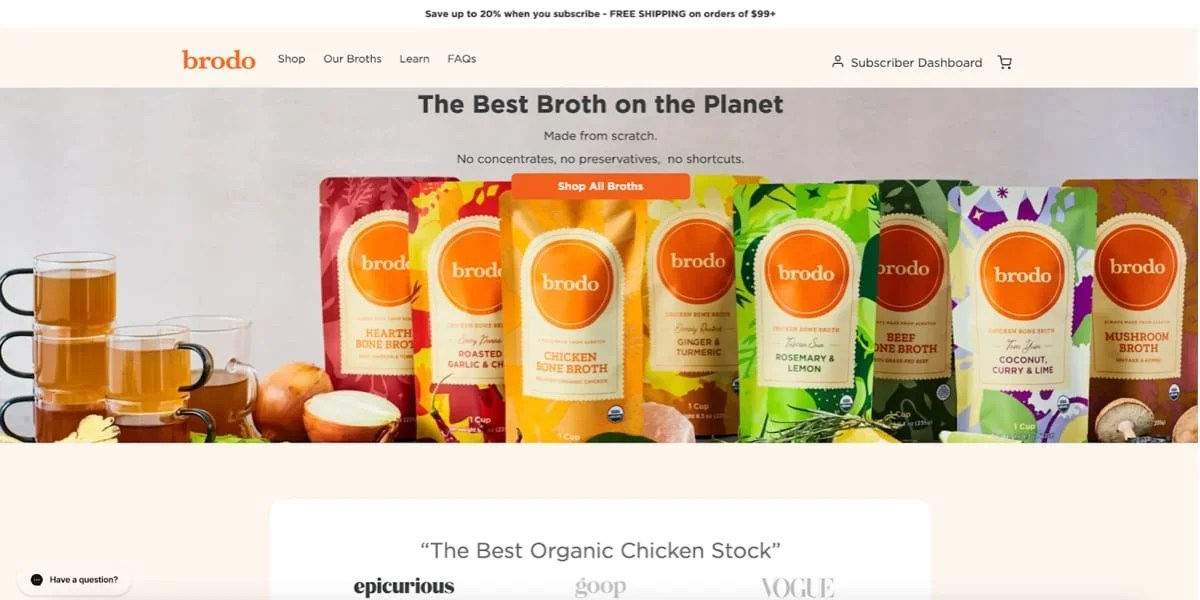
Brodo
When Marco Canora started drinking bone broth as part of a healthier diet, he knew he was on to something. He started by selling cups of broth through New York City windows. Now, his products are distributed nationally and found in major retailers like Whole Foods.
The Brodo brand is all about quality and wellness — and their website and designs reflect that beautifully. They use stunning greens, tans, and oranges, which instantly makes their site feel natural and holistic. Custom backgrounds and design elements reflect their beautiful ingredients, and everything from their to-go cups and shipping boxes to their social media content feels consistent.
Read Brodo’s full story.
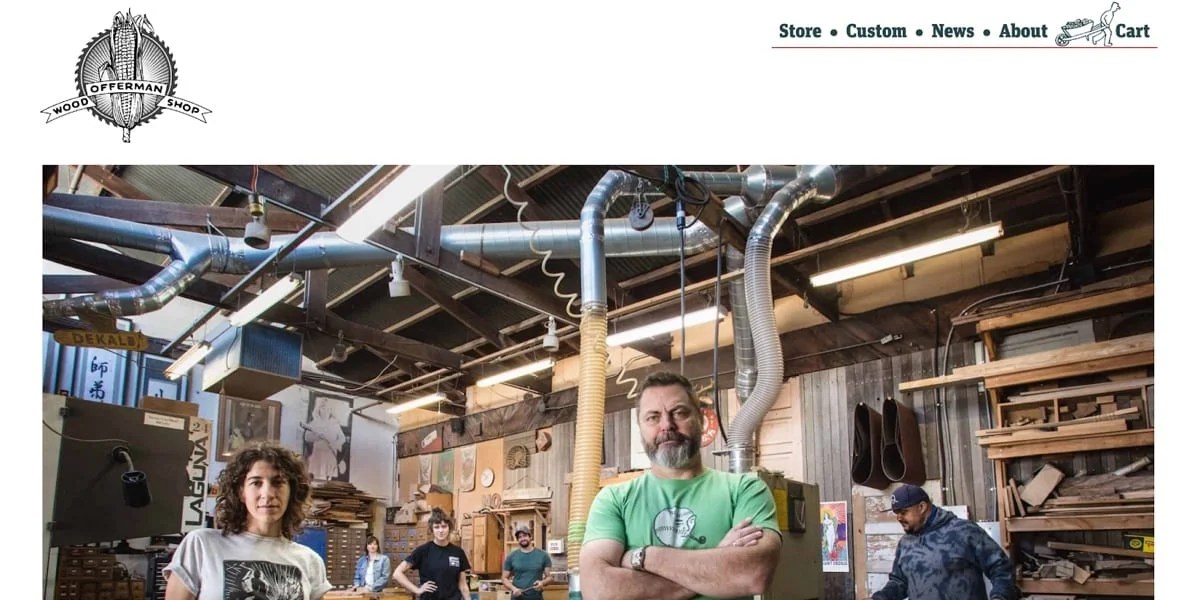
Offerman Woodshop
Offerman Woodshop was founded by actor and author Nick Offerman, from the hit NBC sitcom Parks and Rec. Like his character from the show, he always had a passion for woodworking. What was originally a personal project eventually turned into a business with a team of solid makers focused on sustainability, local materials, and quality products. In Nick’s typical style, the brand is bold and unapologetic, offering one-of-a-kind furniture and gifts with a wry sense of humor.
Developing a voice and using it throughout copy was particularly important when building the Offerman Woodshop brand. Their website is full of stories and funny taglines, like this product description for their whiskey box:
“Built for tipples and treasures, this box stylishly hides your prized bottle from the harmful rays of the sun and the covetous eyes of your guests. But if the well runs dry, you’ll find it’s a handsome vessel for your fishing tackle, bobble head collection, or stash of dried oregano.”
Read more of Offerman Woodshop’s story.
Creating a successful brand starts by understanding your target audience, then addressing their pain points with every single thing that you do. It involves making a brand promise, then keeping it time and time again. Once you’ve put together all of your brand elements, the last thing you want is to just hand them over to a third party. Instead, you want them safely in your own hands.
And that’s exactly why WooCommerce is the best platform for building an ecommerce site. Unlike proprietary platforms like Shopify, you’ll maintain full control over every aspect of your website, content, and design. As an open-source tool, you’ll have complete access to the source code for ultimate flexibility, without fear of having your site taken down for arbitrary policy violations.
At the same time, you’ll benefit from an intuitive dashboard, a library of extensions to simplify growth, a drag-and-drop editor for building pages and templates, and a community full of like-minded store owners to help along the way.
Ready to launch your brand? Get started with WooCommerce.

About
Mahrie Boyle
Mahrie leads integrated marketing at Woo, where she bridges growth, product, partnerships, and demand gen to drive platform growth across merchants, builders, agencies, and tech partners. She’s spent her career across SaaS, ecommerce, hosting, and open source. Outside of Woo, you’ll find her biking, hiking, or liking… various dishes from restaurants around Toronto.