Google once exclusively used meta descriptions for organic search snippets. Optimizing the descriptions aimed to entice searchers to click.
Now, Google often ignores meta descriptions and instead creates snippets from the page’s content based on the query.
Meta descriptions necessary?
Yet, per its Search Central blog, Google says it still uses meta descriptions:
Google primarily uses the content on the page to automatically determine the appropriate snippet. We may also use descriptive information in the meta description element when it describes the page better than other parts of the content.
The post also adds:
… at the very least, create a description for the critical URLs like your home page and popular pages.
Google’s John Mueller last month recommended meta descriptions:
…sometimes it [a meta description] helps you to figure out a clear focus for a page. Overall, I think it’s still worthwhile to do so for individual pages that you care about, but it’s definitely not a requirement.
There’s no downside to adding meta descriptions. I still use them on key landing pages, category pages, and product pages to help search engine and genAI crawlers generate snippets.
Those types of pages tend to contain critical info — detailed service or product descriptions, specs, customer reviews, testimonials — that’s not easily condensed, challenging the engines and crawlers.
For example, Klaviyo’s SMS pricing page contains this meta description:
Explore Klaviyo pricing and start free. Get email marketing sends, text message credits, Customer Hub, and reporting — all in one platform.
Both Google and ChatGPT used the description when I searched “Klaviyo SMS pricing official 2026”:
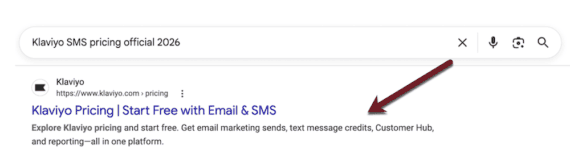
For its search result snippet, Google used Klaviyo’s meta description.
Writing meta descriptions
Search engine optimizers emphasized keywords in meta descriptions when Google relied on the descriptions for snippets. I still suggest them, again, for product-detail and other high-intent pages, as follows:
- Compose unique, original, factual page summaries.
- Explain key value propositions, such as features, use cases, and solutions.
- Maintain brevity, 130 characters maximum. Google and ChatGPT truncate long descriptions.
- Avoid subjective promotional terms such as “best” and “top.”
- Consider calls to action such as “Learn more,” “Choose from,” and “Compare.”
For large, database-driven sites with, say, thousands of products, Google recommends generating meta descriptions programmatically. GenAI platforms such as ChatGPT and Claude, or apps that use them, can do the job (with careful prompting). But always have humans manually review the important pages, those with higher traffic, popular products, and top conversions.
In short, Google and genAI platforms show snippets (and answers) that help users and will often use meta descriptions that fit that need.